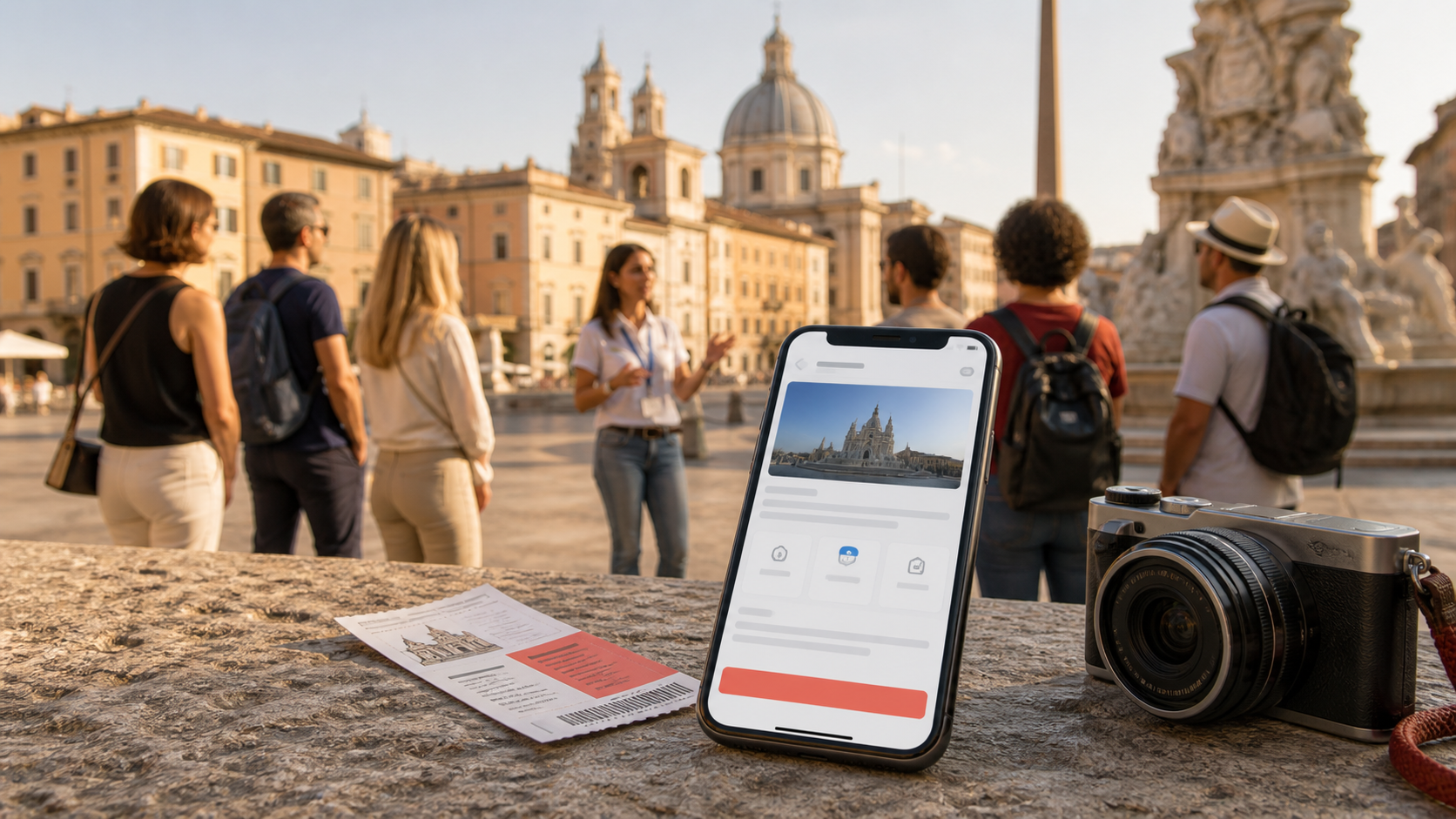
Planning what to do after you arrive can take as much research as choosing a flight or hotel. Viator is a marketplace for bookable travel experiences, including guided tours, museum and attraction tickets, day trips, cruises, transfers, and classes. Its catalog covers more than 400,000 experiences, so it can be a useful starting point whether you know exactly what you want or simply need ideas for a destination.
Each listing brings together several details that are worth comparing:
- Meeting PointCheck where the activity starts and how early to arrive.
- DurationSee how much of your day the experience will use.
- Traveler ReviewsRead recent feedback about guides, timing, and value.
- What Is IncludedConfirm tickets, transport, meals, and extra costs.
- Cancellation TermsLook for the exact refund deadline on your chosen option.
Compare tours, tickets, day trips, and activities for your travel dates.
1. A Broad Choice of Things to Do
Viator focuses on the part of a trip that happens after you arrive. One search can surface city walking tours, landmark admission, boat trips, cooking classes, outdoor adventures, private guides, and full-day excursions. That range makes it easier to compare a simple entry ticket against a guided option or to find a day trip without visiting many local operator sites separately.
2. Search and Filters That Fit an Itinerary
Start with the destination and dates, then narrow the results by category, duration, time of day, price, rating, language, or features such as pickup. Availability and filters depend on the destination and activity. Before booking, open the full listing and check the start time, meeting point, accessibility, age rules, group size, and what the operator includes.
Choose activities after placing flights, hotel check-in, and timed attractions on your itinerary.
3. Reviews and Listing Details Help You Compare
Traveler ratings and written reviews can reveal how closely an experience matches its description. Read recent comments about the guide, pace, transport, crowds, and organization, then compare them with the inclusions and exclusions listed by the operator. Reviews are useful context, but the product page and booking terms should remain your source for the exact service you are buying.
- Guided Tours
Compare route, language, group size, and entry tickets.
- Day Trips
Check transport, pickup area, duration, meals, and free time.
- Attraction Tickets
Confirm the entry time, ticket delivery, and access included.
Check inclusions, meeting instructions, cancellation deadlines, and recent reviews together.
4. Flexible Options Can Reduce Planning Pressure
Viator advertises free cancellation and Reserve Now & Pay Later on eligible experiences. These features are not universal, and the deadline can vary by product, so look for the relevant label and read the specific terms before you confirm. When available, flexible booking can help you secure a popular time while leaving room for itinerary changes.
Add the exact date and local cutoff time to your calendar instead of relying on memory.
5. Support and Rewards for Eligible Bookings
Viator provides 24/7 customer support for booking questions and changes. It also offers Viator Rewards on eligible direct bookings for signed-in members; rewards become available after the experience and can be used toward a future booking. Eligibility and terms apply, so check your account and the current program rules rather than treating rewards as a guaranteed discount.
6. Final Thoughts
Viator is most useful as a comparison and booking hub for the experience part of a trip. Its large selection, traveler reviews, listing details, and flexible options can shorten the research process. The best approach is still to compare the full itinerary, inclusions, operator details, and cancellation policy before paying. Used that way, it can help turn a list of ideas into a practical plan.